



Site Logo

Solar Panels

Technologies

Solar Panels

 Discover the benefits of solar panels and what to expect from an MCS certified solar installation.

FIND AN INSTALLER
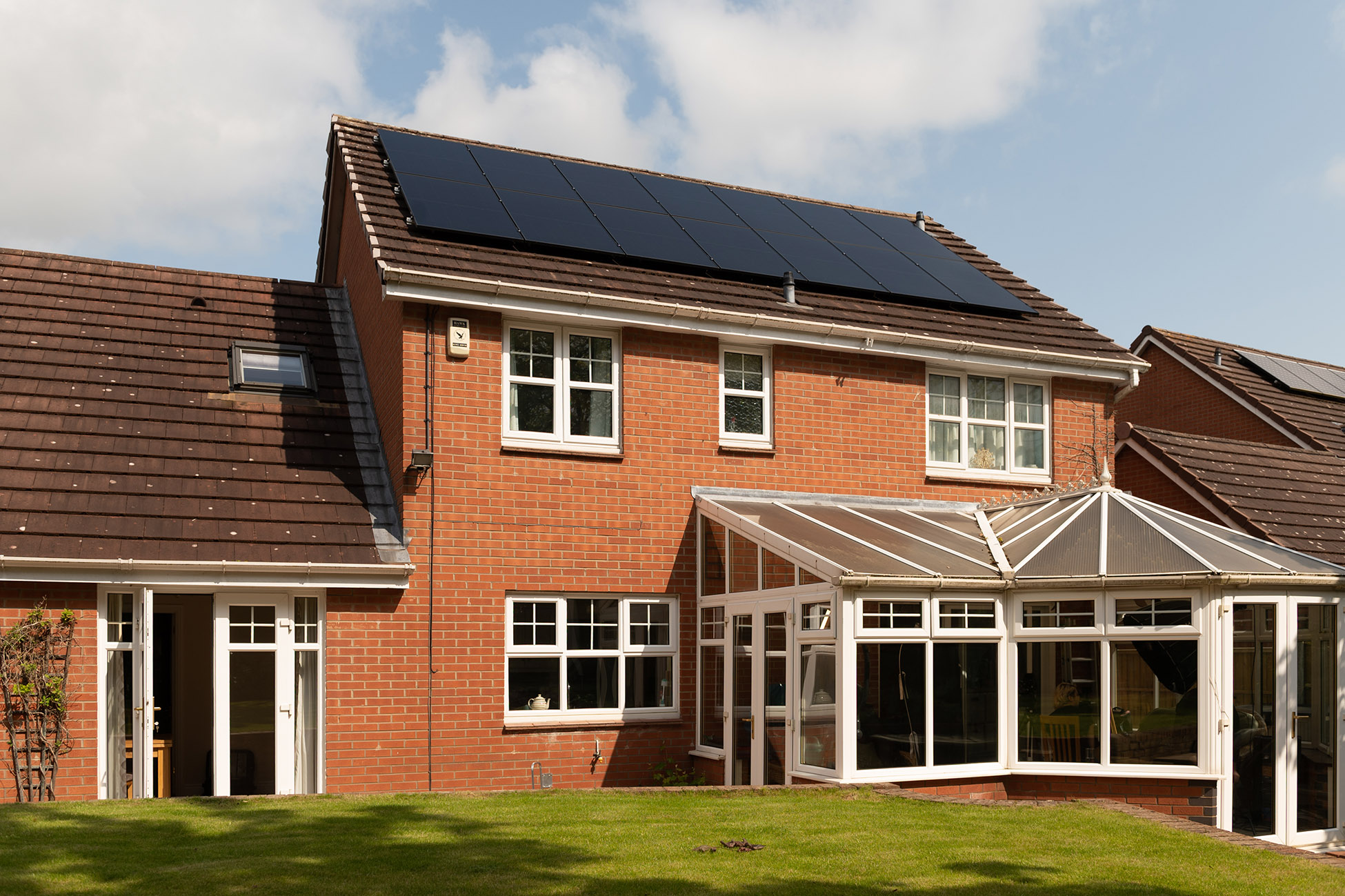
House with solar panels.

What are solar panels?

Solar panels turn sunlight into electricity. They provide your home with a renewable, reliable energy source.

Solar panels are part of a system known as solar PV (photovoltaic). Solar PV refers to all parts of the system, as well as the panels themselves.

Benefits of solar panels

Tick icon.

Reduce your electricity bills.

Tick icon.

Earn money on the electricity that you produce by selling excess energy back to the grid using the Smart Export Guarantee (SEG) or an export tariff from an energy provider.

Tick icon.

Cut your carbon footprint.

Tick icon.

Requires little maintenance.

Tick icon.

Invest in the future and reduce your reliance on the National Grid.

Tick icon.

You can pair it with a battery storage system to store excess electricity that your panels generate for when you most need it.

How do solar panels work?

Solar panels work by absorbing energy from the sun and turning it into electricity. They even work on cloudy days and during the winter.

Solar panels come in different shapes and sizes, and can be fitted on your roof (most commonly), in your garden, or on an external building like a shed or garage. 

To power your home, several panels are connected together with other parts, like an inverter and wiring, to make a full rooftop system. This is then plugged into your home electrics, allowing you to use the electricity generated around the home.

It is increasingly common for households with solar panels to also have an electrical energy storage device (battery storage or a battery), so you can store and use excess electricity when the sun isn’t shining.

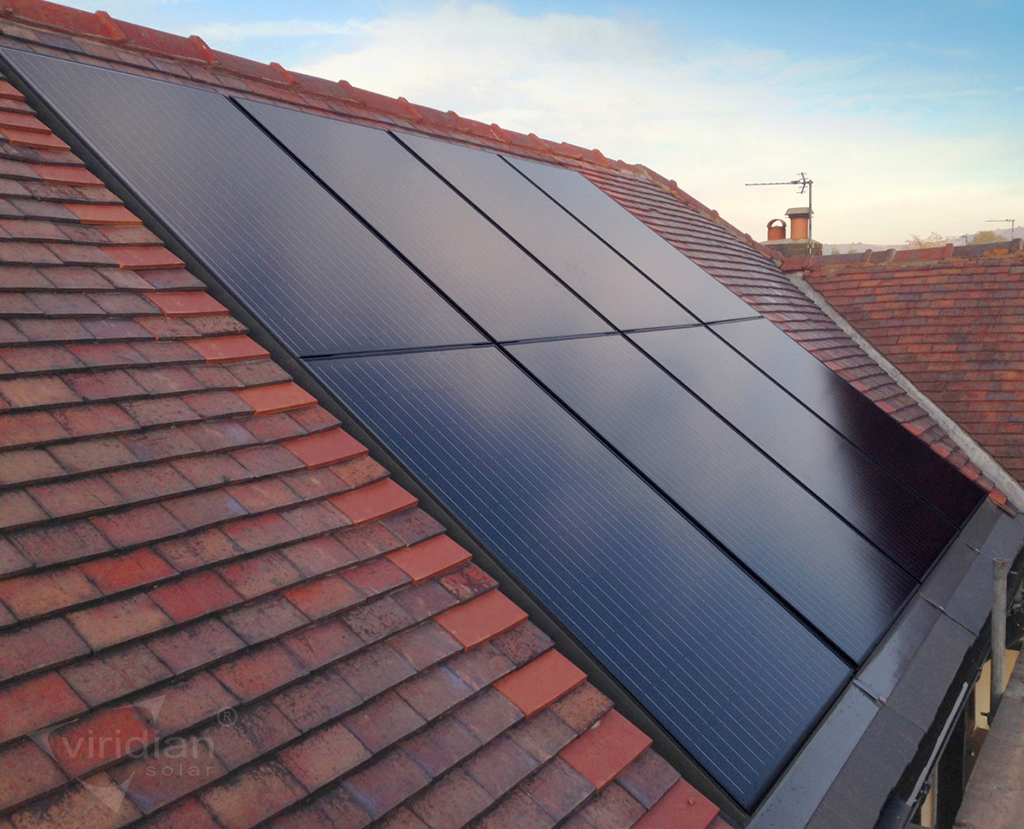
Solar panels.

Costs and considerations

Before you decide to have solar panels installed, you should research the factors that can influence how much power they are able to provide to your home. These include:

  • Which way your roof faces
  • If your roof is in the shade
  • The weather where you live

Although solar panels are typically installed on roofs, it is also possible to have them mounted in your garden or installed on a shed or garage.

The costs of installing solar panels have gone down considerably in recent years. The average cost of installing a certified solar PV system for the home in 2025 is just over £7,000 – we’ve seen around a £500 price reduction compared to 2024.

In most cases, you don’t need planning permission to install solar panels. However, if your home is a listed building, or you live in a Conservation Area or World Heritage Site, there may be extra rules. For example, the panels might need to be placed where they can’t be seen from the street. To discuss these requirements further, reach out to your local council or speak to a certified installer.

If you’re planning to install a solar panel system on your home, you must register it with your Distribution Network Operator (DNO). Before your installer begins work, you will need to notify your DNO, providing details on the type and capacity of your system. In some cases, the installer can do this on your behalf.

Why choose an MCS certified installer?

MCS is the UK’s quality mark for small-scale renewables like solar panels. We set the standards you should always expect from an MCS certified installer.

MCS certification ensures that our installers install renewable technologies to the best possible quality, while also adhering to industry-recognised safety practices when working in and around your home or small business.

Certified installers use MCS certified products, including solar panels and mounting kits. This means that they have been tested for quality, reliability, and performance.

We encourage you to check an installer’s certification status through our online Find an Installer search, or by calling our Customer Support Helpdesk. To ensure that your installer has maintained certification throughout, it’s worth checking as you get a quote, before you sign your contract, and before the installation starts. 

Find an installer near you

If you are ready to explore installing solar panels on your home or small business, you can find an MCS certified solar installer near you using our ‘Find an Installer’ online search. 

Installer smiling at camera.

What to expect from an MCS certified installer

MCS certified installers are expected to operate with integrity and provide a high-quality service, taking care of, and protecting, their customers. 

This starts with the quote you will be provided for your solar installation, which will be clear and provide a full breakdown of what you’re purchasing. It is the duty of your installer to ensure that you are fully informed of their products and services, the installation timeline, and any delays which may occur.

Your installer should also tell you about any subcontractors that will be involved in your installation, so you can know who is at your property and when.

Solar PV icon.

Your solar panels should be working as expected.

Solar PV icon.

You will receive an MCS certificate within 10 working days of completion.

Solar PV icon.

You will receive a handover pack upon completion, including key information such as product details and workmanship warranty.

Solar PV icon.

Your new system will be designed and installed in accordance with MCS Standards.

Living with your solar panels

 Solar panels are low-maintenance – you’ll just need to keep the panels reasonably clean and make sure that any shading is minimised; where possible.

Your MCS installer will provide a simple maintenance guide with instructions for checks to keep everything running smoothly. This includes information on common inverter signals and basic troubleshooting tips.

Solar panels themselves can last over 25 years, but the inverter may need replacing during that time, which typically costs around £800.


Grants & incentives

There are several schemes – some backed by the government – that can help with the costs of installing solar panels.

Read more about the range of potential grants or incentives

Smart Export Guarantee

You may be able to earn money through the Smart Export Guarantee (SEG). If you generate renewable electricity in your home or business, you can feed back into the grid any electricity that you don’t use.

You need to apply directly to a SEG tariff supplier to get paid. The Ofgem website lists the energy suppliers that provide SEG tariffs.


Export Tariffs

In short, an export tariff is the rate paid to households or businesses for the electricity they export back to the grid – usually from sources like solar panels.

Since the Smart Export Guarantee was introduced in 2020, energy suppliers have begun to offer a range of export rates aside from those required under the Smart Export Guarantee scheme, with some of the large energy companies offering more than one tariff.


Energy Company Obligation 4 (ECO4)

You may be eligible to have solar panels installed under the Energy Company Obligation 4 (ECO4), a government-backed scheme designed to tackle fuel poverty and help reduce carbon emissions.

ECO4 places a responsibility on energy suppliers to help households in low income areas heat their homes more efficiently. This can include improving access to solar panels as a way of reducing energy usage.


Solar Together

Some local councils offer the Solar Together initiative to make solar panels more affordable for your home through a group-buying scheme that secures savings on installation costs.

All installers under this scheme must be MCS certified. You can register to participate for free and without an obligation to install.


Local and regional funding

We also encourage you to explore local and regional funding options that may be available based on where you live.

Some examples include:


How to get the most out of your solar panels

Solar panels on their own offer lower electricity bills and clean energy, but can work even better when combined with other renewable technologies.

Solar panels and heat pumps

  • A heat pump transfers heat from outside your home into your home using electricity, and you can use solar panels to power it.
  • This can lower both your electricity and heating bills.

Solar panels and battery storage

  • Battery storage lets you store excess energy that you generate, rather than exporting it back to the grid, so you can use it when the sun isn’t shining.

Hear from other homeowners

READ SIAN'S STORY
Mother and daughter baking
Couple sat at table looking at tablet.
READ STEPHEN'S STORY

Additional resources

MCS works with the wider industry to empower consumers to make the right choice in how they power their homes. There are other resources available that you might find helpful when researching solar panels:

Energy Saving Trust is the largest provider of energy-saving advice in the UK, helping you to find ways to reduce your carbon emissions and find eligible grants.

FIND OUT MORE

Go Renewable

Powered by MCS and Energy Saving Trust, Go Renewable is a start-to-end platform allowing you to assess your home for your next renewable upgrade, book a professional home survey, and compare quotes from MCS certified installers ready to install your chosen renewable technology.

Man stood at sink with mug.

Solar Energy UK is the not for profit trade association working for and representing solar energy and energy storage in the UK. SEUK can provide more information about maintaining and living with your solar panels.

FIND OUT MORE